Separating without putting the children in the middle
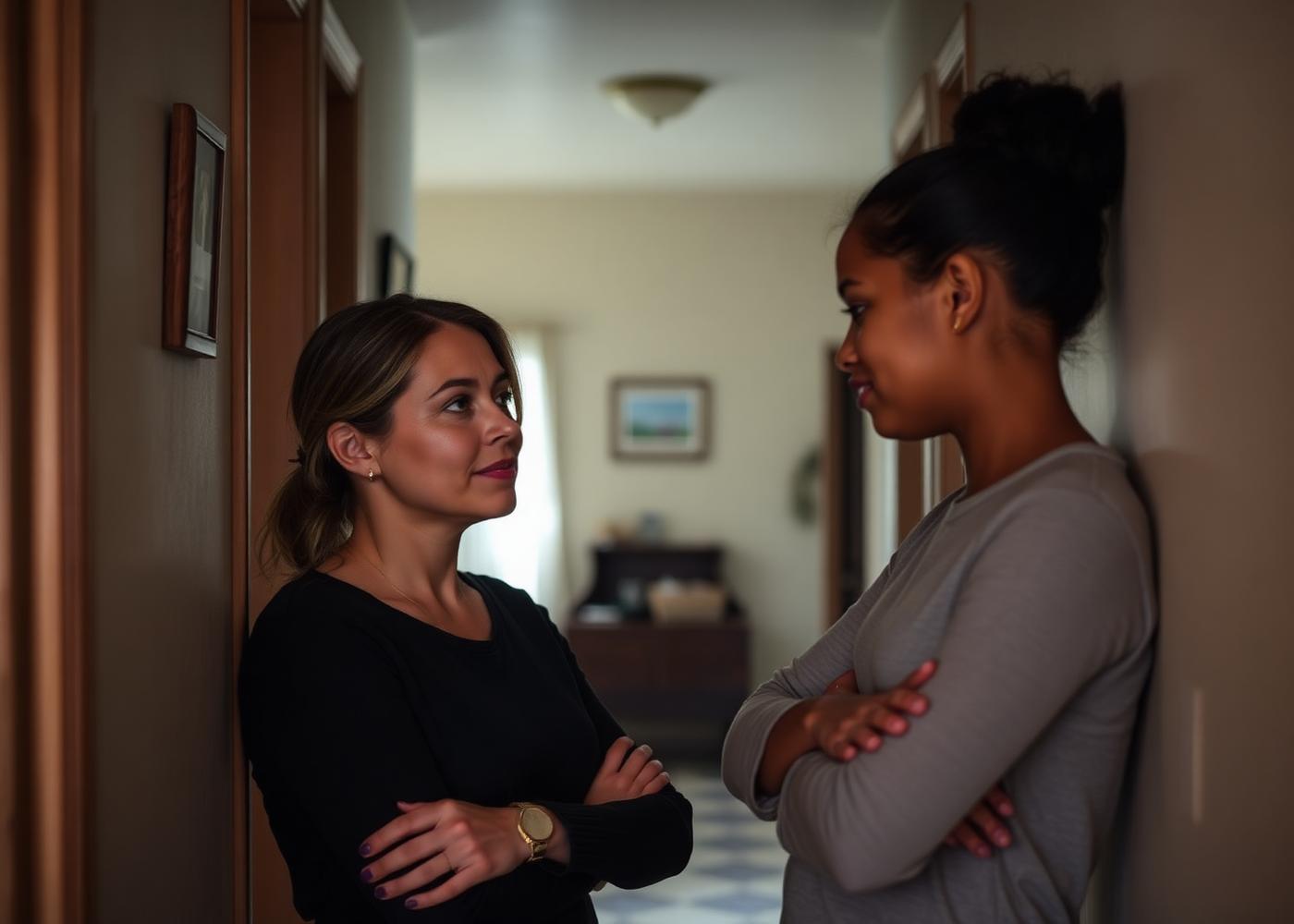
A separation changes the family structure, but it doesn't have to turn children into messengers, referees or allies.

When a couple separates, the relationship between the adults changes, but children's need for emotional protection remains. Children and teenagers don't need their parents to pretend nothing is happening. They need age-appropriate information, as much stability as possible, and the certainty that they won't have to choose who to love.
Children shouldn't become messengers
Seemingly harmless phrases put a child in an impossible position: "Tell your dad that...", "Ask your mom if...", "Tell me who she was with."
The problem isn't just the errand. It's that the child ends up managing an adult conflict, and whatever they do, someone will be upset. Over time, many children resolve that tension by keeping things from both parents, and in doing so lose the two people they should be able to talk to.
Giving a joint explanation when it's safe and possible
If it's feasible, a shared explanation sends a message that no single, separate word can: this was decided by the adults, and we're both still here.
"We've decided to live in different homes. This is a decision between adults. You didn't cause it and you don't have to fix it. We'll both keep being your parents, and we'll keep explaining the changes as they come."
A joint conversation isn't advisable when there's violence, intimidation or risk involved. In those situations, safety comes first, and the information can be shared separately with professional support.
What they need to know and what they don't need to know
They need to know
- What's going to change in their daily life.
- What stays the same: school, friends, activities, routines.
- Where they'll live and what each home will be like.
- When they'll see each caregiver.
- Who they can turn to if something worries them.
- That they are not responsible for the decision.
They don't need to know
- Intimate details of the couple's relationship.
- Accusations against the other parent.
- Financial information used to discredit someone.
- Confessions meant to win them over as an ally.
- Anything that turns them into a judge of the relationship.
Allow for contradictory emotions
A child can feel sadness and relief on the same day. They can miss the old house and be grateful the arguments are over. They can be angry with whoever made the decision and love them just the same.
All of that is normal and doesn't need correcting. What's worth avoiding is asking them to reassure the adults: a child shouldn't have to emotionally take care of their parents during a separation.
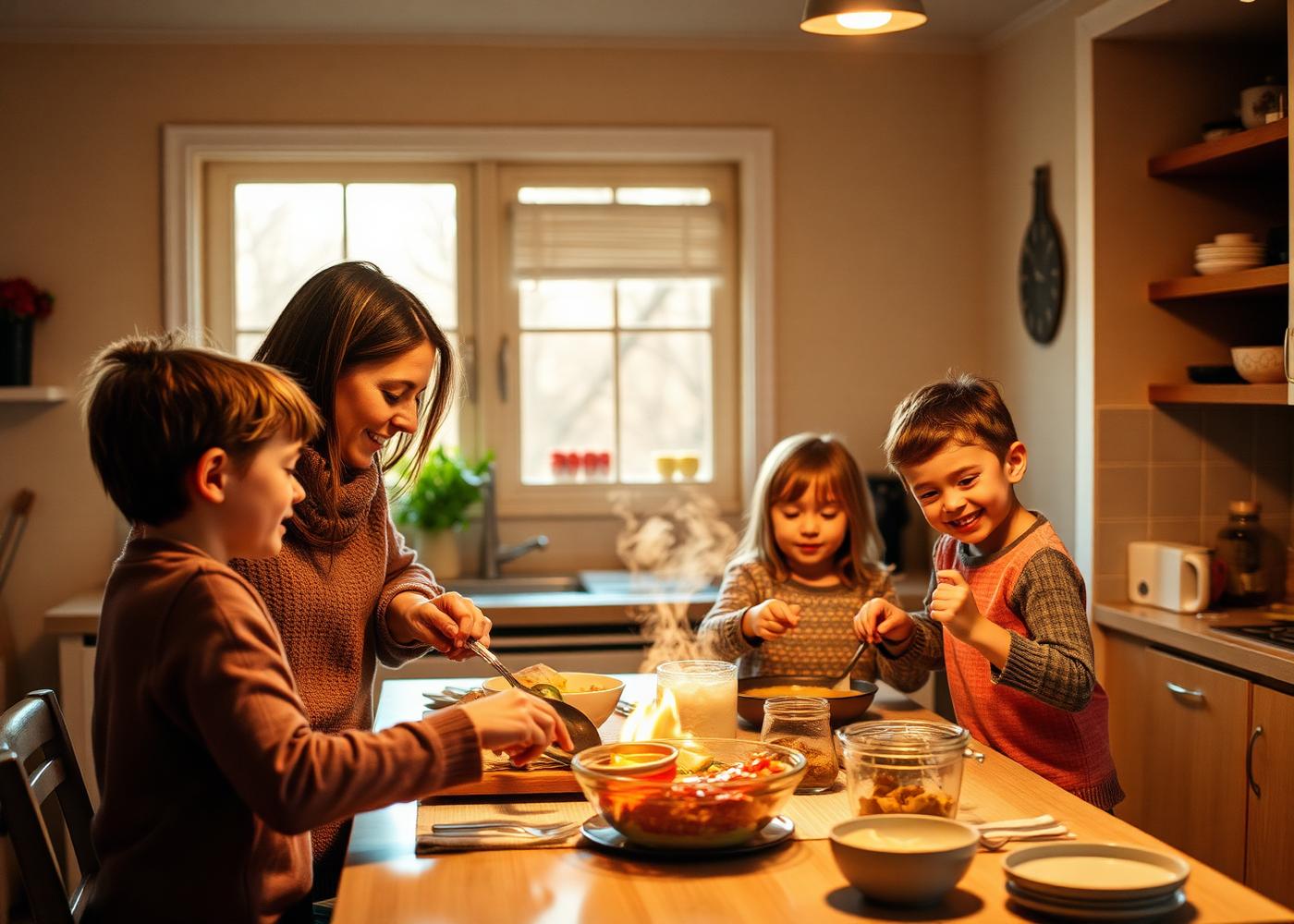
Caring for transitions between homes
- Predictable schedules and advance notice when there are changes.
- Basic belongings available at both homes, so they don't live out of a suitcase.
- Avoid interrogating them when they return: let them share at their own pace.
- Don't compete through gifts or permissions.
- Don't punish the child, whether through a look or through silence, for having enjoyed time with the other caregiver.
"Children can adapt to living between two homes. What affects them most is feeling caught between two loyalties."
Don't confuse co-parenting with personal closeness
Adults don't need to be friends or share a life. They need communication that's respectful enough, practical and focused on the children's needs: useful information, basic decisions and coordination.
Signs that the family needs support
- The child is used as a go-between.
- There are frequent conflicts during handoffs.
- One of the parents constantly discredits the other.
- The children try to mediate between their parents.
- Emotional or behavioral changes are intense or persistent.
- Basic decisions can't be discussed without escalating.
Seeking support at that point doesn't prolong the conflict — it usually shortens it, because it brings the conversation back to a place where agreements are possible.
PACTO can facilitate family conversations and agreements during a separation, provided there are sufficient conditions of safety and willingness.
Talk to usDid you find this article useful?
Loading ratings…
Would you like to tell us more?
You can share your impression of this piece with us. We read every message, though we can't always reply.
Send us your thoughts
About the author
Ricardo Pineda Vélez
Psicólogo · Fundador de PACTO Resolución
Psicólogo de la Universidad Pontificia Bolivariana y fundador de PACTO Resolución. Acompaña conversaciones difíciles desde una mirada humanista, relacional y orientada a la construcción de acuerdos sostenibles.
Editorial review
Equipo PACTO Resolución
Contenido revisado desde una perspectiva psicológica, relacional y de resolución colaborativa de conflictos.